Stopping mold growth caused by plumbing leaks requires immediate water extraction, thorough surface drying, and swift structural repairs. Mold spores begin colonizing damp organic surfaces, such as drywall, wooden subflooring, and insulation, within twenty-four to forty-eight hours of exposure to moisture. Ignoring minor pinhole leaks under sinks or behind walls creates an ideal breeding ground for toxic fungal infestations that compromise indoor air quality and destroy building materials. Taking a fast, proactive approach to plumber Saratoga springs UT maintenance protects your property value and safeguards your family’s health.
Early Leak Detection and Immediate Water Mitigation
Detecting hidden moisture early is your primary defense against destructive mold spores taking root inside wall cavities and cabinetry. Slow plumbing leaks often go unnoticed for weeks, quietly saturating wooden framing and drywall behind appliances. By the time visible dark spots or musty odors appear, extensive fungal colonization has already occurred deep within the building structure.
Shutting off the main water supply instantly stops active flooding and halts further moisture migration throughout the home. Utilizing a paper towel to wipe down pipe joints, supply lines, and drain traps helps reveal micro-leaks that escape casual visual inspection. Installing smart water leak detectors near water heaters, washing machines, and under-sink cabinets provides automated alerts the moment moisture is detected, giving you time to react before mold forms.
Rapid Drying Protocols and Moisture Control
Drying affected building materials rapidly within the first twenty-four hours stops mold spores from germinating and spreading. Simply wiping up standing water with a towel leaves deep structural moisture behind inside floorboards and wall studs. Completely removing trapped humidity requires heavy-duty air movers, industrial dehumidifiers, and proper air circulation across all damp surfaces.
Saturated porous materials like carpet padding, ceiling tiles, and fiberglass insulation retain water indefinitely and must be removed and discarded immediately. Non-porous surfaces like hardwood framing and concrete subfloors require continuous forced airflow and low ambient humidity to draw out absorbed moisture. Keeping indoor relative humidity levels strictly below fifty percent starves lingering spores of the moisture needed to thrive.
Disinfecting Affected Surfaces and Removing Contaminants
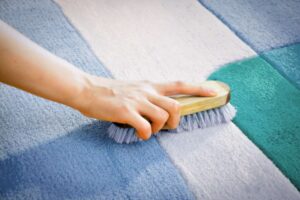
Sanitizing exposed structural surfaces prevents microscopic mold roots from re-establishing colonies after the area dries. Plain tap water and standard household cleaners fail to neutralize fungal spores embedded deep within wood grain. Applying EPA-registered fungicides or antimicrobial solutions breaks down fungal structures and creates a protective barrier that resists future microbial growth.
Avoid relying on household chlorine bleach for porous surfaces like wood or drywall. Bleach consists mostly of water, which penetrates porous materials while the active chlorine remains on the surface, inadvertently feeding mold roots deeper in the wood. Utilizing specialized antimicrobial treatments ensures deep penetration that eliminates root structures without degrading structural building materials.
Structural Restoration and Long-Term Protection
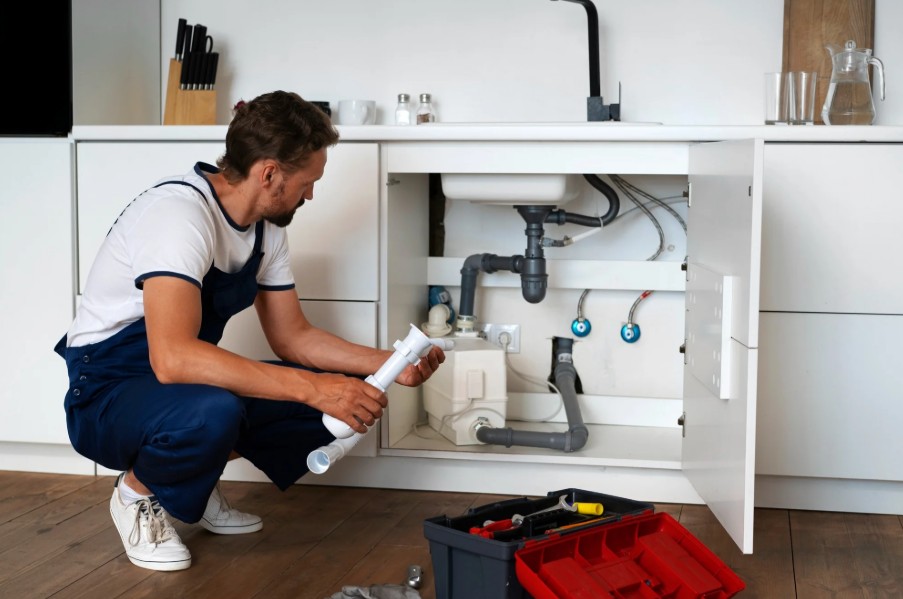
Repairing the underlying plumbing defect permanently stops the cycle of moisture accumulation and structural decay. Replacing corroded copper pipes, worn shut-off valves, and cracked PVC drain lines guarantees that water stays contained within the system. Rebuilding damaged drywall or cabinetry using mold-resistant green board provides an extra layer of defense against accidental liquid spills or humidity spikes.
Maintaining vigilance over your plumbing infrastructure protects your indoor air quality and prevents costly biohazard remediation projects. Combining early leak detection technology, rapid structural drying, and professional-grade antimicrobial treatments ensures mold never takes hold in your home. Taking action at the first sign of a drip protects your building investment and keeps your living spaces clean, safe, and healthy.